How Crypto Casinos Are Reshaping Online Gambling in 2026: A US Player's Guide to Safety, Speed, and the Best Platforms

I've spent a good chunk of the last year watching the online gambling scene in the US shift faster than I honestly expected. Crypto casinos went from a niche curiosity to something my friends and I actually argue about over coffee — mostly because the payout speed and privacy angle keep coming up, again and again. Traditional payment rails still work, sure. But they feel clunky next to sending Bitcoin or USDT and watching it land in a casino wallet within minutes. I've tested a fair share of these platforms in 2026, so I wanted to put together a grounded, safety-first look at what's actually changing and how you can navigate it without getting burned.
What Are Crypto Casinos and Why Are They Growing in 2026?
At their core, crypto casinos are online gambling platforms that let you deposit, wager, and withdraw using Bitcoin, Ethereum, and a growing list of altcoins and stablecoins. Nothing revolutionary about that on paper — but the execution has gotten dramatically better this year. Blockchain transparency tools have matured, decentralized finance protocols are getting woven into gaming platforms, and regulatory conversations at the state level have finally started catching up with the tech. That combination is why adoption among US players has picked up so noticeably in 2026. People are less spooked by the 'wild west' reputation crypto gambling had a few years back, and honestly, that shift alone changes a lot.
How Crypto Casinos Differ from Traditional Online Casinos
The differences aren't subtle once you use both types side by side. Fiat-based casinos typically route your money through banks or card processors, which means waiting periods, sometimes strict KYC checks upfront, and fees that quietly eat into your winnings. Crypto platforms often let you play with lighter identity verification at lower stakes, offer near-instant transaction confirmation, and generally charge network fees instead of processing fees. Anonymity isn't total — most reputable sites still require some verification for larger withdrawals — but it's noticeably lighter than what you'd get with a standard debit card deposit.
Key Benefits Driving the Shift to Crypto Gambling
A few things keep pulling US players toward crypto platforms this year. Withdrawals that used to take three to five business days through a bank now clear in under an hour, sometimes in minutes. Transaction costs are lower, too, since you're skipping card network fees entirely. Provably fair algorithms let you actually verify game outcomes using cryptographic hashes instead of just trusting a 'trust us' badge — which, let's be real, was never much of a badge to begin with. And because blockchain transactions don't care about state banking restrictions the way traditional processors do, players in regions where card companies block gambling transactions suddenly have a workaround that's technically legal in many cases, depending on state law.
Speed and Cost Savings Compared to Bank Transfers
Let me put real numbers on this. A standard ACH withdrawal from a US-facing online casino can take anywhere from two to seven business days, and some banks flag gambling-related transactions for manual review — adding even more delay on top of that. Compare that to a Bitcoin or Litecoin withdrawal, which, depending on network congestion, usually confirms within 10 to 60 minutes. Fast. Genuinely fast. Fee-wise, a bank wire might run you $25-$40 per transfer, while a crypto withdrawal often costs a few dollars in network fees, sometimes less if the platform absorbs gas costs as a promotional perk.
Safety and Security Considerations for US Players
Here's where I get a bit more serious, because speed means nothing if the platform disappears with your funds. Before depositing anywhere, check for licensing from a recognized gaming authority — even an offshore one like Curaçao or Malta. No license at all is a much bigger red flag than an offshore one, so keep that in mind. Look for smart contract audits if the platform runs on-chain games, and dig into community reviews on forums like Reddit or Trustpilot rather than trusting testimonials on the casino's own homepage. I also check how long a platform has actually operated. Longevity in this space is a decent, though imperfect, proxy for trustworthiness.
Red Flags to Watch For in Unregulated Platforms
- No visible licensing information or vague claims about 'regulation' without naming a body
- Anonymous ownership with no verifiable company registration
- Bonuses that seem too generous, like 500% match offers with impossible wagering requirements
- Withdrawal delays that get blamed on 'technical issues' repeatedly
- Customer support that's unreachable outside of a chatbot
How to Choose the Best Crypto Casino Platform
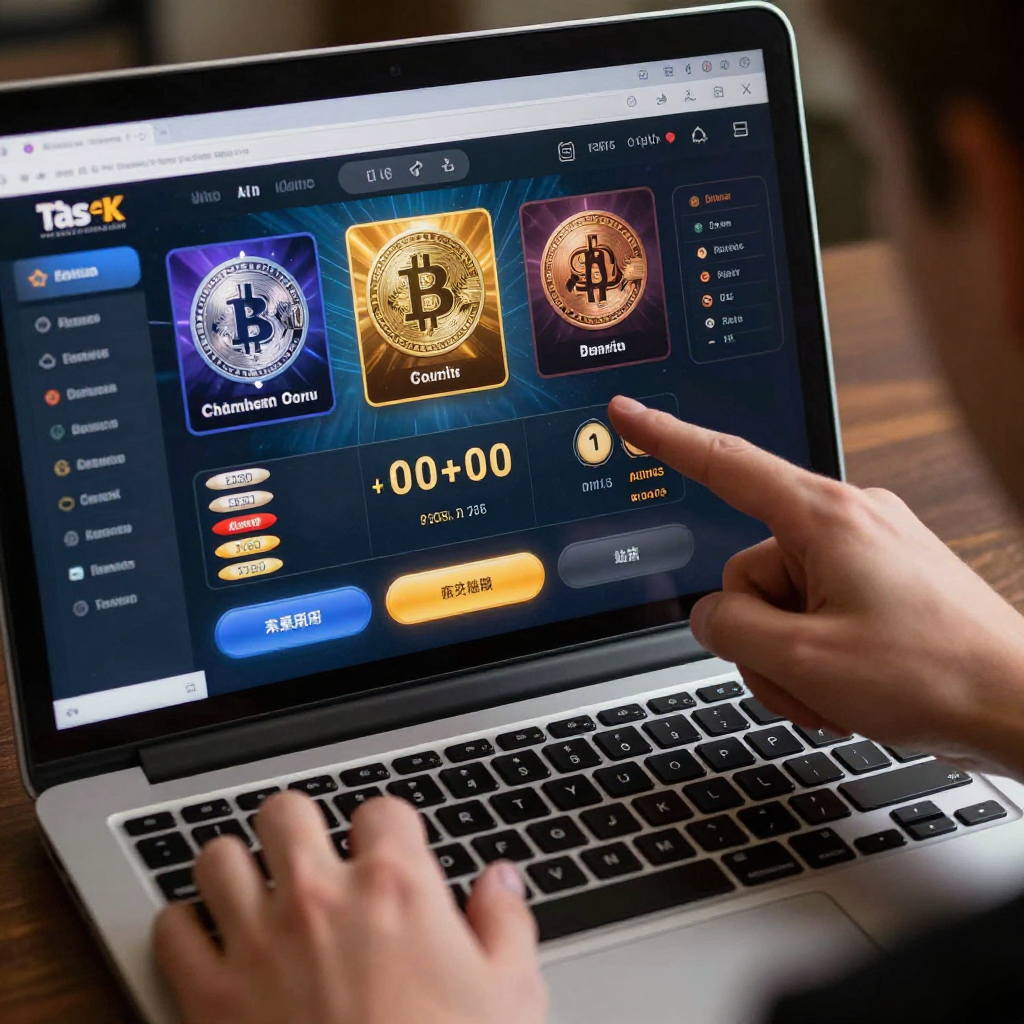
Picking a platform isn't just about flashy bonuses — I wish more people understood that before losing money over it. I look at game variety first: slots, live dealer tables, and provably fair originals like dice or crash games. Then I check which cryptocurrencies are supported, because a platform that only takes Bitcoin is more limiting than one accepting Ethereum, USDT, and Litecoin too. Mobile compatibility matters more than people admit, since a lot of us are placing bets from a phone during a lunch break, whether we should be or not. Customer support responsiveness is another big one for me — I test their live chat before ever depositing a cent. For anyone wanting a deeper dive into how various platforms stack up, resources like crypto casinos offer useful comparisons and market analysis that go beyond marketing copy, and I've genuinely found that helpful when narrowing down options.
Comparing Top-Rated Platforms Like Crypto Casinos in 2026
Review sites and aggregators typically rank platforms based on a blend of payout speed, licensing transparency, game library size, bonus fairness, and user complaint volume. I don't think there's one objectively 'best' platform — what works for a slots enthusiast might frustrate someone who only plays poker, and that's just how it goes. Sites like the one linked above help by aggregating this data so you're not relying on a single influencer's opinion or a sponsored review buried in search results.
Common Mistakes US Players Make with Crypto Gambling
The biggest mistake I see, over and over, is treating wallet security like an afterthought. People reuse passwords or skip two-factor authentication on their crypto wallets, which is basically leaving the front door unlocked and hoping nobody notices. Fast withdrawals also create a psychological trap where players chase losses because 'I can just cash out instantly if I win it back' — which rarely, if ever, ends well. Tax implications trip people up too; the IRS treats crypto gambling winnings as taxable income, and converting winnings back to fiat doesn't erase that obligation. Lastly, funding accounts through sketchy peer-to-peer exchanges instead of established, regulated exchanges opens the door to scams that have nothing to do with the casino itself.
The Future of Crypto Casinos in the US Market
Looking ahead, I expect more states to clarify their stance on crypto gambling as federal guidance around digital assets solidifies. Layer-2 blockchain scaling solutions should make transactions even cheaper and faster, and I wouldn't be surprised to see AI-driven fairness verification tools become standard rather than a selling point. Whether full state-level legalization spreads quickly is anyone's guess — I certainly won't pretend to know for sure. But the infrastructure being built right now suggests crypto casinos aren't a passing trend. They're becoming a permanent fixture in how Americans gamble online.
Crypto casinos are genuinely reshaping what US players expect from online gambling in 2026 — faster payouts, lower fees, and a level of transparency that traditional platforms have struggled to match. But none of that replaces basic due diligence. Check licensing, read community feedback, understand the tax rules, and gamble within limits you're actually comfortable losing. The tools to research platforms responsibly are more accessible than ever, so use them before you deposit, not after something's already gone wrong.